


Imagine an entire nation vanishing. Not through war or famine, but through systematic abduction. Twelve and a half million Africans, more souls than currently live in all of Belgium, more than the entire population of Portugal, more than the combined populations of the states of North Carolina and Michigan. Let that sink in.

These were not statistics. They were fathers ripped from their children, mothers torn from their homes, children who would never see another sunrise over their ancestral lands. And of those millions forced onto the floating tombs we call slave ships, 2.4 million perished during the journey alone; deaths equivalent to wiping out the populations of Slovenia and Malta combined, or the states of Alaska, Wyoming, and New Hampshire put together.
This was no accident of history. This was the transatlantic slave trade. 400 years of calculated, industrialized horror that drained Africa of its lifeblood and built the modern world on the broken backs of its children.
It was, as pan-African voices have long declared, the Holocaust against Africans, the Maafa, the Great Disaster, whose scars still bleed across continents today.
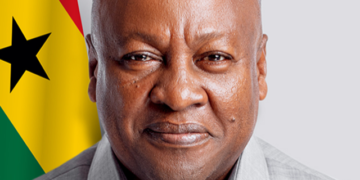
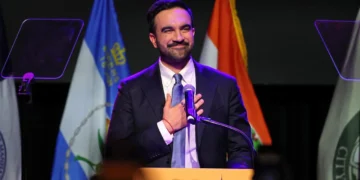
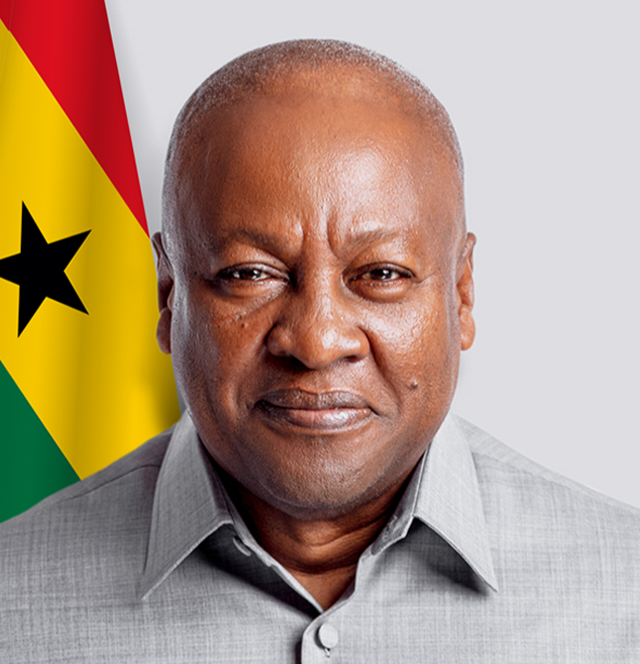
And now, in March 2026, one of the most significant moral awakenings in modern diplomacy is unfolding. The President of Ghana, John Dramani Mahama, is leading a historic push at the United Nations.
He is backed by the African Union and Caribbean nations. Ghana is tabling a resolution before the UN General Assembly, timed powerfully with the International Day of Remembrance of the Victims of Slavery and the Transatlantic Slave Trade. Africans are demanding the world finally recognize this atrocity as the gravest crime against humanity in recorded history, and open the door to genuine repair.
Walk through the dungeons of Cape Coast Castle on Ghana’s coast, the very stones where millions of our ancestors were branded, chained, and herded into the dark “Door of No Return.”
Feel the weight of that air, thick with the ghosts of the condemned. Stand on those battlements overlooking the Atlantic, where the waves still whisper the names of the lost. This was not some distant European port; this was Africa’s front door to hell. From here, and dozens of other forts like it, the greatest forced migration in human history began.
The Middle Passage was not a voyage. It was engineered death. Captives packed so tightly in the holds that they could not stand, not turn, not breathe without inhaling the stench of disease and despair.
Bodies thrown overboard like refuse when the inevitable fever struck. Women violated in the dark. Children watching their parents waste away. Historians’ estimates vary slightly, but the scale is undeniable: nearly two million souls, some counts push higher when including the trails of blood left across African soil before the ships even sailed, perished in transit. Two point four million gone. Vanished into the ocean as if they never mattered.
Yet they did matter. Their labor built empires. Their stolen genius fueled the Industrial Revolution. Their descendants shaped cultures from the Americas to Europe. And the continent they left behind? It was deliberately destabilized, its kingdoms shattered, its wealth siphoned for centuries. The poverty, the instability, the underdevelopment we still battle today did not begin in the 1960s with independence. They began in the holds of those ships. It was all deliberate and cruelly executed.
This is why President Mahama’s leadership is nothing short of revolutionary. Ghana is not begging. It is demanding truth. The resolution calls not for vague apologies but for formal recognition under international law, the same moral clarity the world granted other atrocities.
It is grounded in centuries of African and Caribbean advocacy: the Abuja Proclamation, the Accra Proclamation, the Caribbean Reparations Commission. The African Union has declared 2026-2035 the Decade of Action on Reparations. Brazil has thrown its weight behind it. The momentum is unstoppable.
As a pan-Africanist, I echo the urgent call. This must be on every radio station, every television screen, every newspaper across Africa and the African diaspora.
From the streets of Accra to the boulevards of Harlem, from Lagos to London, from Kingston to Johannesburg, this conversation cannot be sidelined. The Holocaust against Africans cannot and must not be forgotten. To remember is to resist erasure. To remember is to reclaim our narrative.
In the grand halls of the United Nations, where nations once debated the fate of the world while ignoring Africa’s, Ghana now stands as the voice of the silenced millions. This is more than diplomacy. It is ancestral justice rising. It is the children of the enslaved refusing to let their parents’ blood cry out in vain. It is a declaration that repair is not charity; it is a debt long overdue.
The world can no longer look away. Will Europe and the West finally confront the foundations of their prosperity? Will Africa rise in unbreakable unity to claim its rightful place? The resolution before the UN is not the end. It is the beginning of healing, of restoration, of a new chapter where the descendants of the abducted inherit not just remembrance, but power.
Let the ancestors watch. Let history record that in 2026, from the land where the chains first clanked, a president and a people said: Enough. The truth will be told. The crime will be named. And justice, true, reparative justice, will no longer be denied.
The Holocaust against Africans must echo forever. Not in shame, but in unyielding strength. Africa is rising. And the world must listen.
Ras Mubarak.
The author is a former Member of Parliament in Ghana, anti-imperialist and the founder and leader of the campaign for a united and visa free Africa by 2030.