









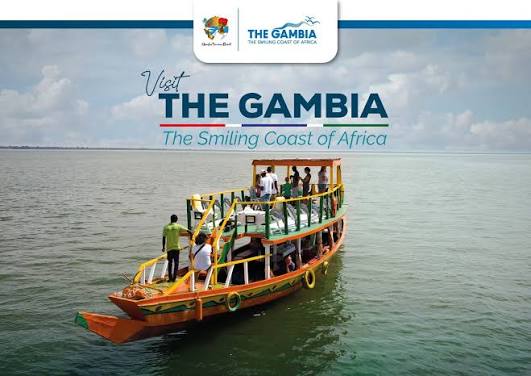
The Gambia boasts a vibrant tourism sector, supporting tens of thousands of direct and indirect jobs and contributing approximately 20% to the country’s GDP. As a key foreign exchange earner, tourism plays a crucial role in generating millions of dollars for this small West African nation.

During a recent business dinner with one of the President’s advisers, I inquired about The Gambia’s successful tourism strategy. The charismatic adviser explained that recognizing Gambia’s lack of natural solid minerals compared to other African countries, they made a strategic decision to focus on tourism as a primary driver for development.
Today, flight tickets to The Gambia are exceptionally affordable, with some fares as low as $300 for a one-way trip to Europe or $750 for a round-trip to the United States of America. Additionally, chartered flights organized by travel agencies cater to tourists visiting The Gambia. For instance, during the 2025/2025 Gambian tourism season launch in October, over 180 passengers arrived at Banjul International Airport on a chartered flight.
Travel costs from Freetown to Banjul can reach nearly $500 for a one-way ticket, whereas flights from Banjul to Freetown can be as low as $170 or $120. The Gambia operates 12 flights, including major carriers such as Royal Air Maroc, Brussels Airlines, and Turkish Airlines.
The country’s affordability extends to accommodation, with cheap hotel and Air BnB options available. Compared to Sierra Leone, where a one-room hotel in Lumley can cost $100, in The Gambia, a two-bedroom apartment equipped with amenities like 24-hour electricity, WiFi, air conditioning, and a washing machine can be secured for $35, offering exceptional value to tourists.
The popular Senegambia area in The Gambia provides affordable dining options, contributing to its appeal among tourists. The country’s stable environment, hospitable locals, reliable electricity, and ongoing infrastructure developments, led by the government of Adama Barrow, further enhance its attractiveness as a tourist destination.
In contrast, Sierra Leone’s tourism potential remains untapped due to high flight costs, taxes, and inadequate infrastructure, leading tourists to favor The Gambia over Freetown. Addressing these challenges is crucial to revitalizing the tourism industry in Sierra Leone and competing effectively with neighboring destinations.
About the Author:
Murtala Mohamed Kamara is the Founder and CEO of SaloneAdventures, a travel and tour operator company in Sierra Leone. Kamara is a travel enthusiast and an adventurer.